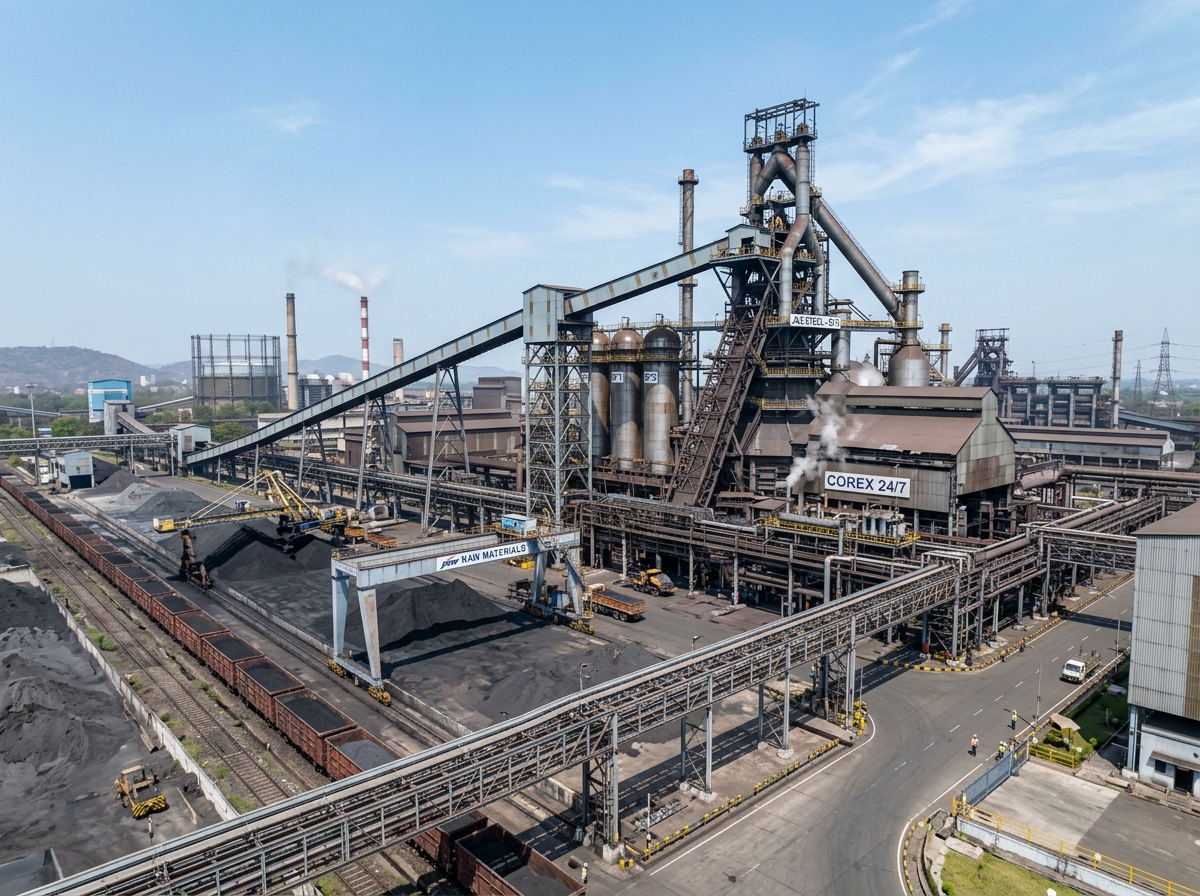
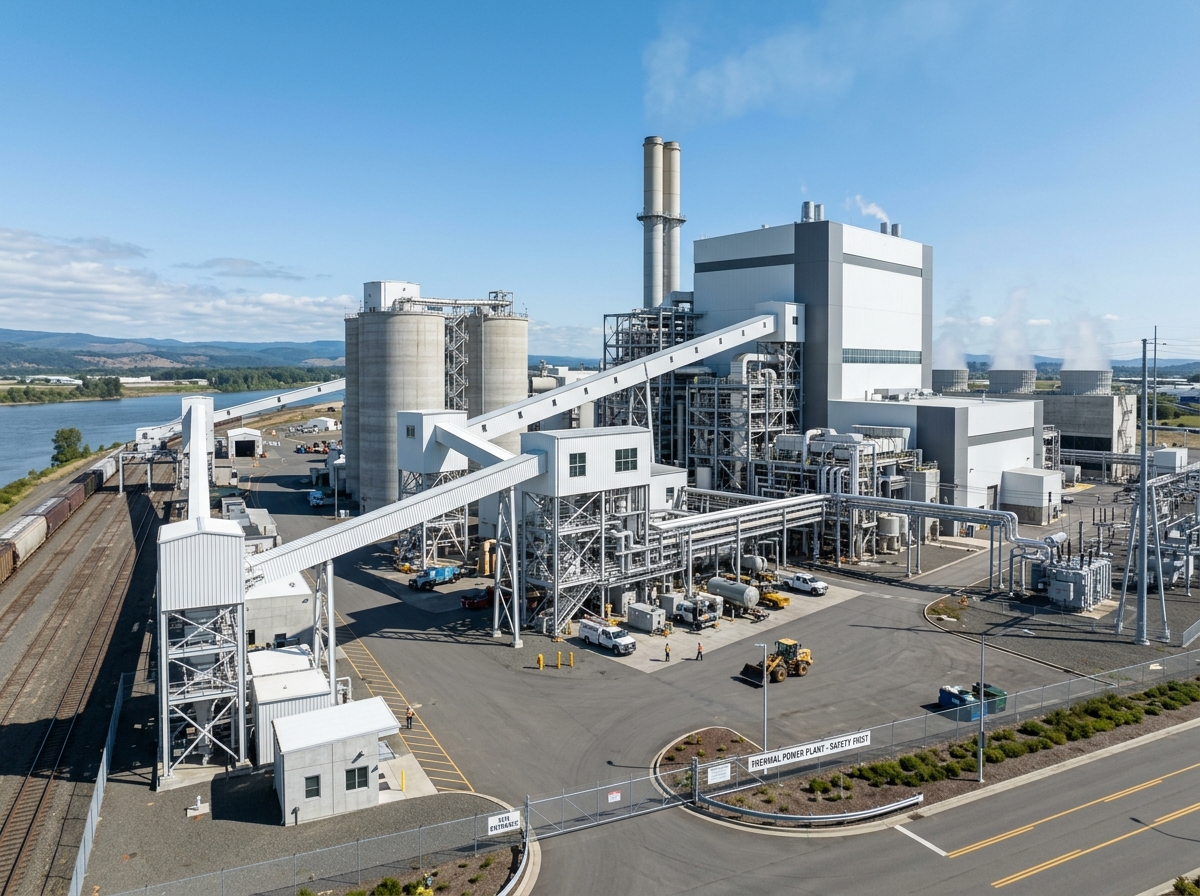
After several years of unprecedented price swings and supply chain disruptions, a noticeable shift is occurring in the procurement strategies of major industrial coal consumers. Market analysis suggests a distinct “flight to quality,” where large-scale utilities and steelmakers are prioritizing security of supply and consistent specifications over chasing the absolute lowest price in the spot market.
In a highly volatile environment, the operational risk of a stock-out or receiving off-specification cargo that damages plant equipment far outweighs the potential savings of a opportunistic bargain. End-users are increasingly recognizing that operational continuity is paramount, leading to a renewed focus on establishing robust, long-term relationships with reliable counterparties.
This trend is particularly evident in the thermal coal sector, where power plants are optimizing boilers for specific calorific values and impurity profiles to maximize efficiency and meet environmental standards. A variance in ash or sulfur content can have significant operational consequences. Buyers are therefore placing a premium on suppliers who can guarantee spec consistency shipment after shipment, backed by verifiable independent analysis.
The “flight to quality” also extends to counterparty risk. In uncertain economic times, producers and end-users alike are scrutinizing the financial health and track record of their trading partners. The market is gravitating towards physical traders with proven logistical capabilities and genuine access to producer networks, rather than purely paper-based intermediaries.
Ultimately, this shift represents a maturing approach to risk management. By securing term contracts for a significant portion of their baseload requirements with trusted partners, industrial buyers are insulating themselves from the extremes of market volatility and ensuring the stable energy flows necessary for economic growth.