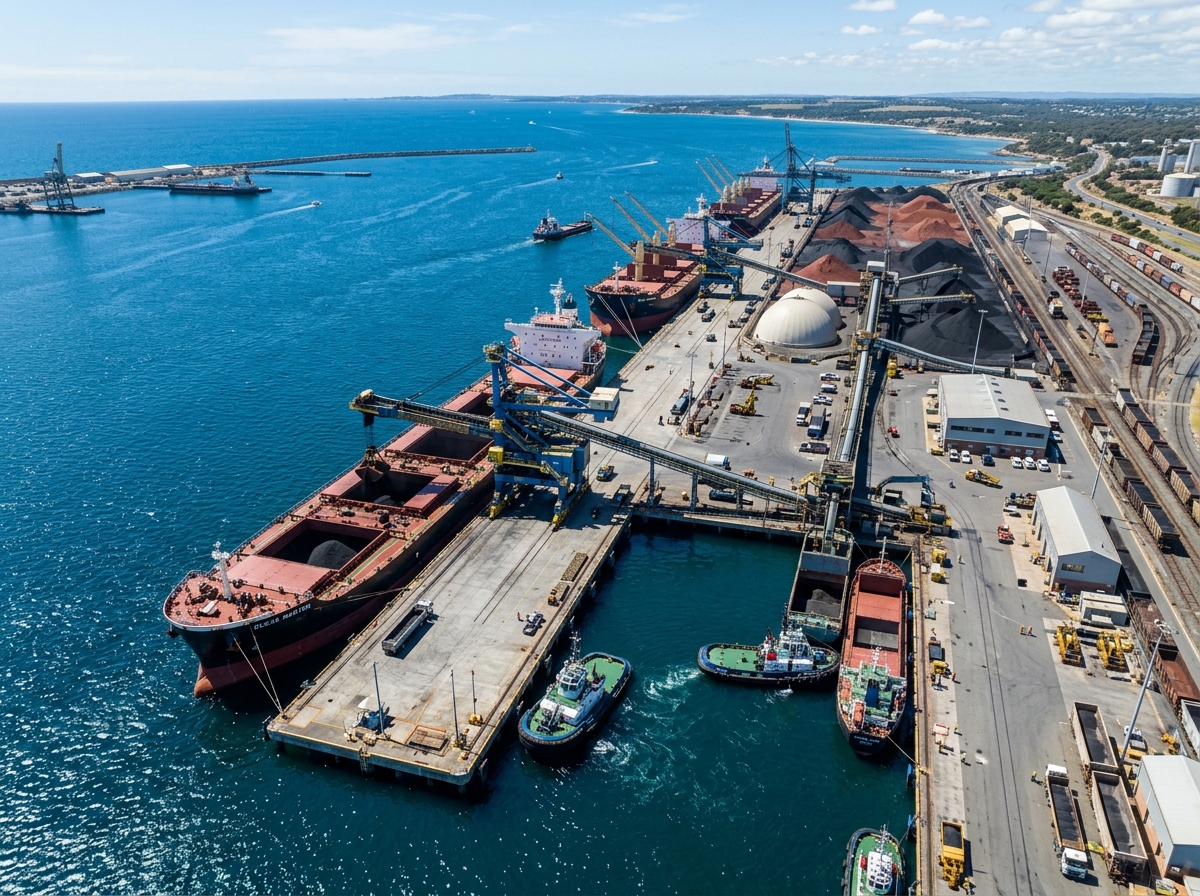
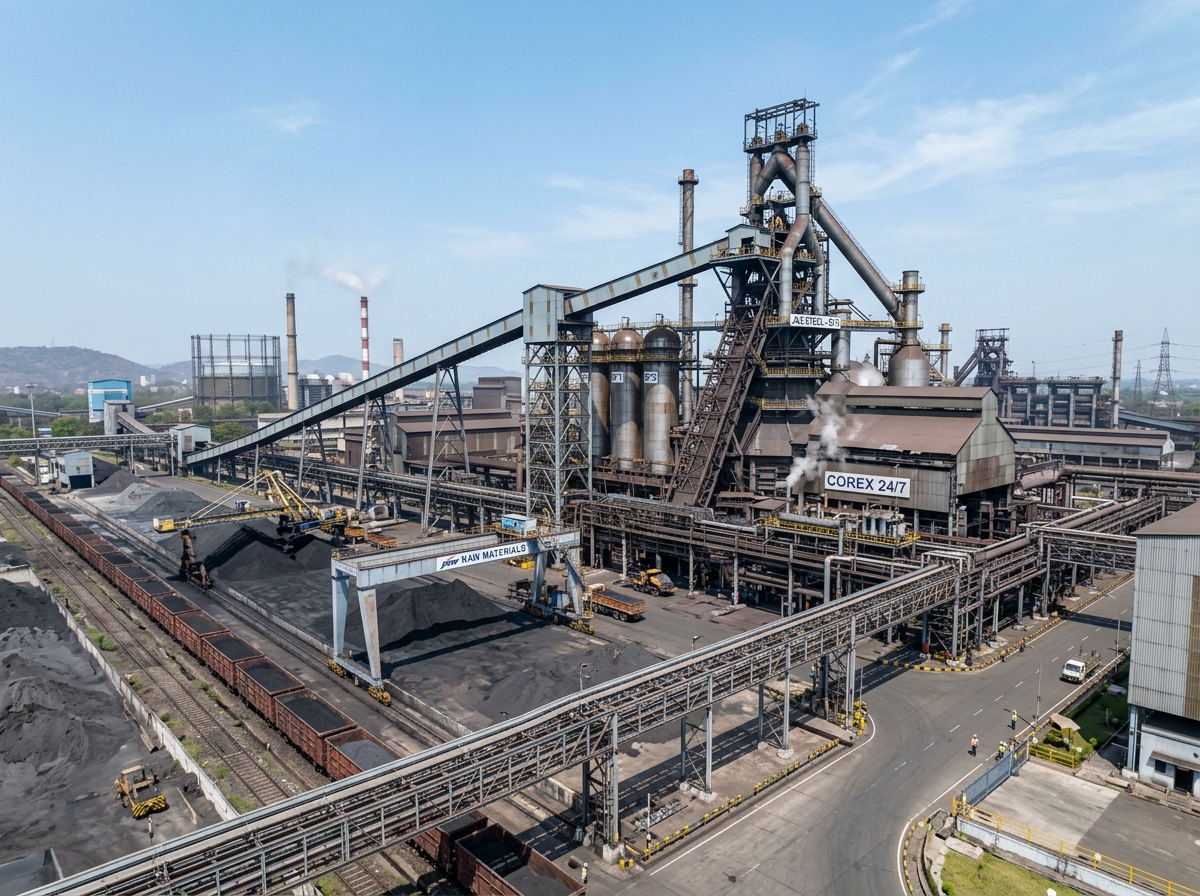
The seaborne market for high-grade coking coal continues to find solid support, driven not by energy generation, but by the fundamental bedrock of the industrial economy: global steel production. Despite economic headwinds in some regions, ongoing large-scale infrastructure development and urbanization projects across the globe are sustaining demand for blast furnace feedstocks.
While much attention is paid to the development of “green steel” technologies, the reality is that the vast majority of global steel is still produced via the traditional blast furnace-basic oxygen furnace (BF-BOF) route, which relies heavily on metallurgical coal. Construction projects—from bridges and railways to high-rise buildings in developing nations—require immense quantities of steel, keeping blast furnaces running at high utilization rates outside of China.
Market reports suggest a persistent tightness in the supply of premium hard coking coal (PHCC). Years of underinvestment in new mining capacity in key export regions, combined with geological challenges at existing operations, have constrained supply growth. This structural limitation means that any uptick in demand from steelmakers quickly translates into market tightness.
This dynamic creates a supportive pricing environment for metallurgical coal exporters in the medium term. Steel mills, particularly those in India and Southeast Asia that are expanding capacity, are competing for secure supplies of high-grade coking coal and pulverized coal injection (PCI) materials to optimize their furnace performance.
Looking ahead, the connection between infrastructure spending and metallurgical coal demand remains unbreakable. As long as the world continues to build, the need for reliable, high-quality coking coal will persist, underscoring the importance of robust physical supply chains connecting miners to steelmakers.