For industrial coal consumers across Asia, the free-on-board (FOB) price at the loading port is only half the story. Recent market dynamics have underscored the critical importance of dry bulk freight rates in determining the final, landed cost of energy. Volatility in the shipping sector, particularly for Panamax and Capesize vessels typically used for coal transport, has become a major variable in procurement strategies for utilities and cement manufacturers.
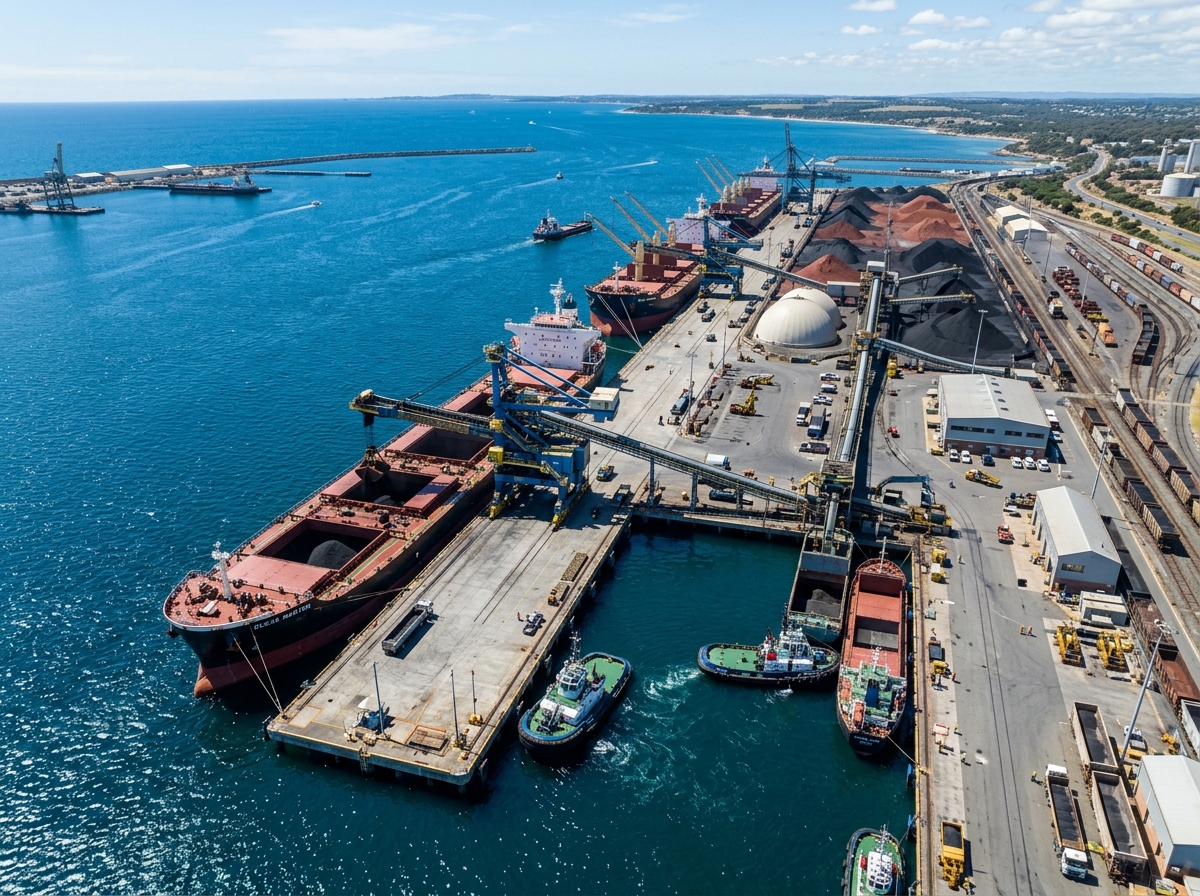
Several factors have contributed to recent fluctuations in shipping indices. Congestion at major loading terminals in Australia and Indonesia due to weather events, combined with shifts in global trade routes necessitated by geopolitical pinch points, have periodically tightened vessel availability in the Pacific basin. When vessel supply tightens, freight rates spike, directly impacting the C&F (Cost and Freight) margins for buyers.
This volatility significantly affects regional arbitrage opportunities. When freight rates are high, long-haul supplies from origins such as South Africa or the Americas become less competitive compared to regional sources like Indonesia, even if the FOB coal price itself is attractive. Buyers must constantly calculate the “delivered energy cost” rather than just the commodity price.
For power plants operating on tight margins, unexpected spikes in shipping costs can be disruptive. Reliance on spot freight market bookings exposes buyers to significant upside price risk between the time a coal cargo is purchased and when a vessel is finally secured.
Consequently, sophisticated buyers are increasingly looking for integrated solutions. Rather than managing commodity and freight separately, there is a growing trend towards structuring deals on a delivered basis (CFR/CIF) with trading partners who have the capability to manage voyage charters and hedge freight exposure. In this environment, logistics management becomes as crucial as sourcing the coal itself.